Transitional Kindergarten
A window into life-long learning for your child.
Environment
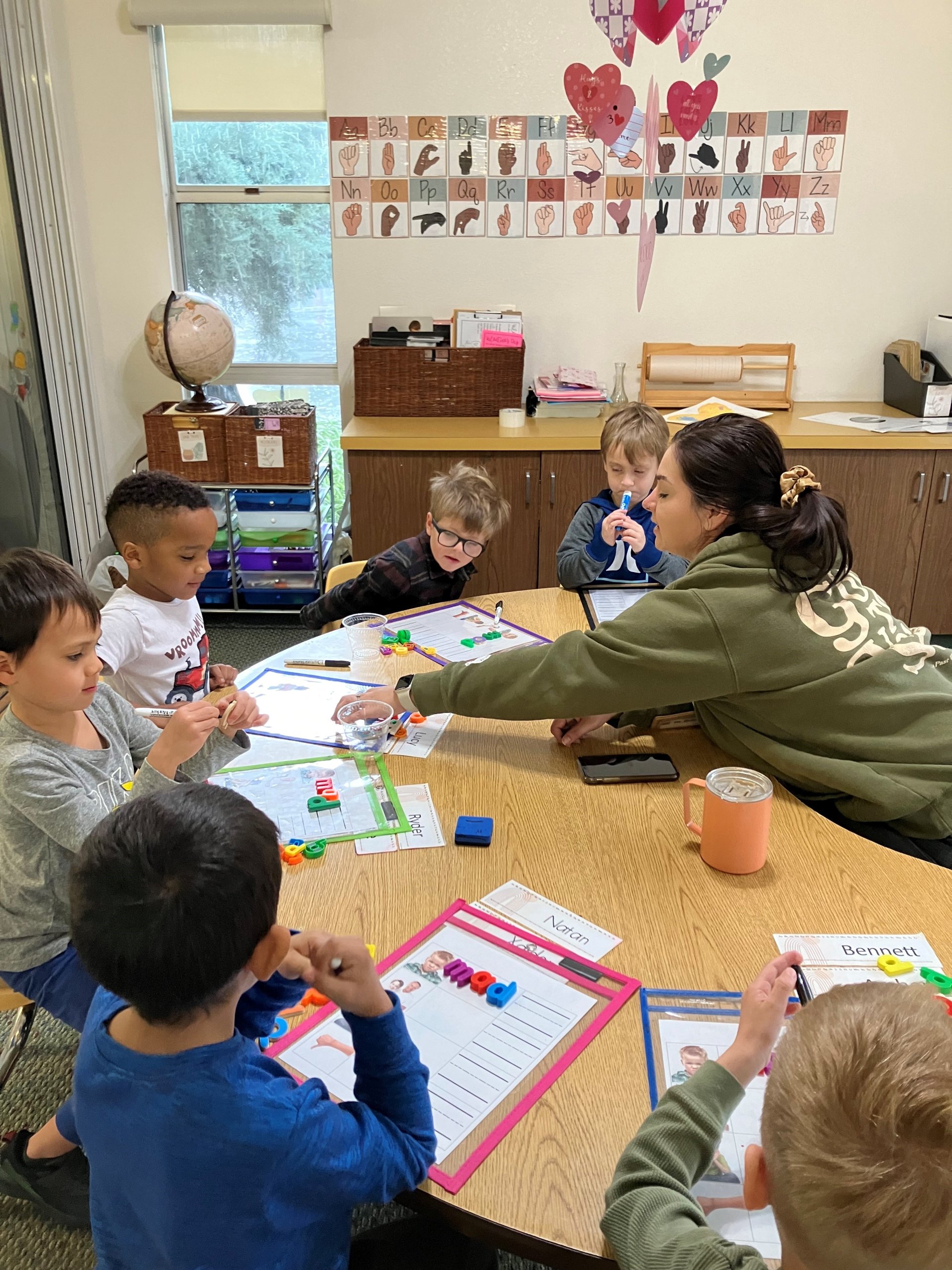
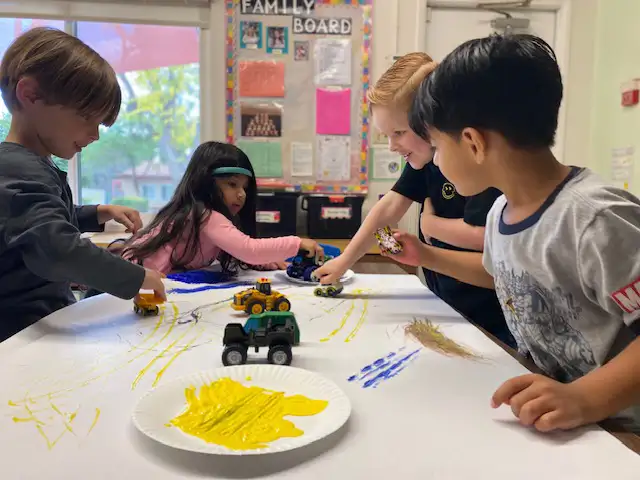
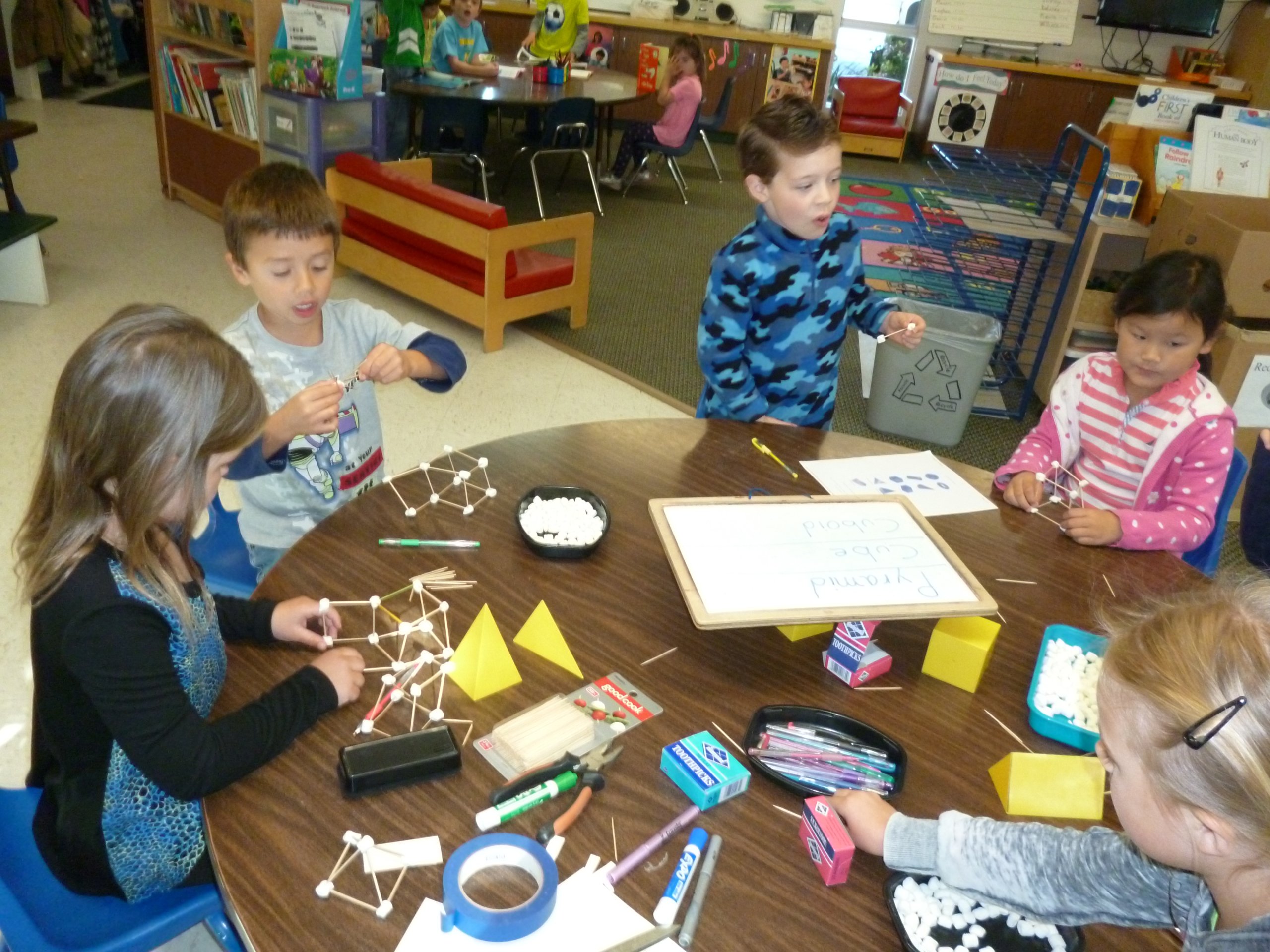
Our Transitional Kindergarten classroom provides a warm, engaging environment designed to support children as they prepare for kindergarten. Through a balance of hand-on learning, purposeful play, structured instruction, and free play, children build strong foundations for school success.
Teachers provide individualized support and small-group learning experiences to meet each child’s developmental level and learning style. In our TK, we nurture confidence, independence, curiosity and a love of learning while preparing children for a successful transition to kindergarten.
Our Standards
Our Transitional Kindergarten program aligns with California’s Transitional Kindergarten Learning Foundations, ensuring children develop the social-emotional, physical, and academic skills needed for success in kindergarten and beyond.
Our Curriculum
Our Transitional Kindergarten program follows the Creative Curriculum®, a research-based approach that supports the development of the whole child. This curriculum is aligned with California’s Transitional Kindergarten standards and provides a strong foundation for kindergarten readiness. A key component of this curriculum is its Studies, or in-depth topics of exploration, which are designed to build knowledge and skills across all areas of development.
These studies focus on meaningful, real-world topics such as buildings, trees, clothing, insects, seeds and pets. Children investigate questions, make predictions, solve problems, and collaborate with peers as they explore each topic.
Our comprehensive curriculum encompasses:
- Social skills and emotional development
- Language and early literacy
- Math and science exploration
- Spanish language learning
- Music and art
- Physical education and movement
- Small motor coordination
Eligibility
Children need to be 4 years old by September 1 of the current school year.
Assessment
In our Transitional Kindergarten program, we use the Creative Curriculum GOLD™ Assessment System to thoughtfully monitor each child’s progress throughout the year. This research-based tool is aligned with California’s transitional kindergarten standards and helps us track the key developmental and academic skills students build as they prepare for kindergarten.
Through ongoing observation and intentional documentation, our teachers gain valuable insight into each child’s strengths, interests, and areas for growth. This information guides small-group instruction, individualized support, and lesson planning to ensure learning experiences are developmentally appropriate, engaging, and responsive to each student’s unique needs.